
DesignPostal history
The Nasik overprints: Pakistan's first stamps
Pakistan came into being on 14 August 1947. Its first stamps did not appear until 1 October. In the weeks between, the post ran on British Indian stamps overprinted with a single word.
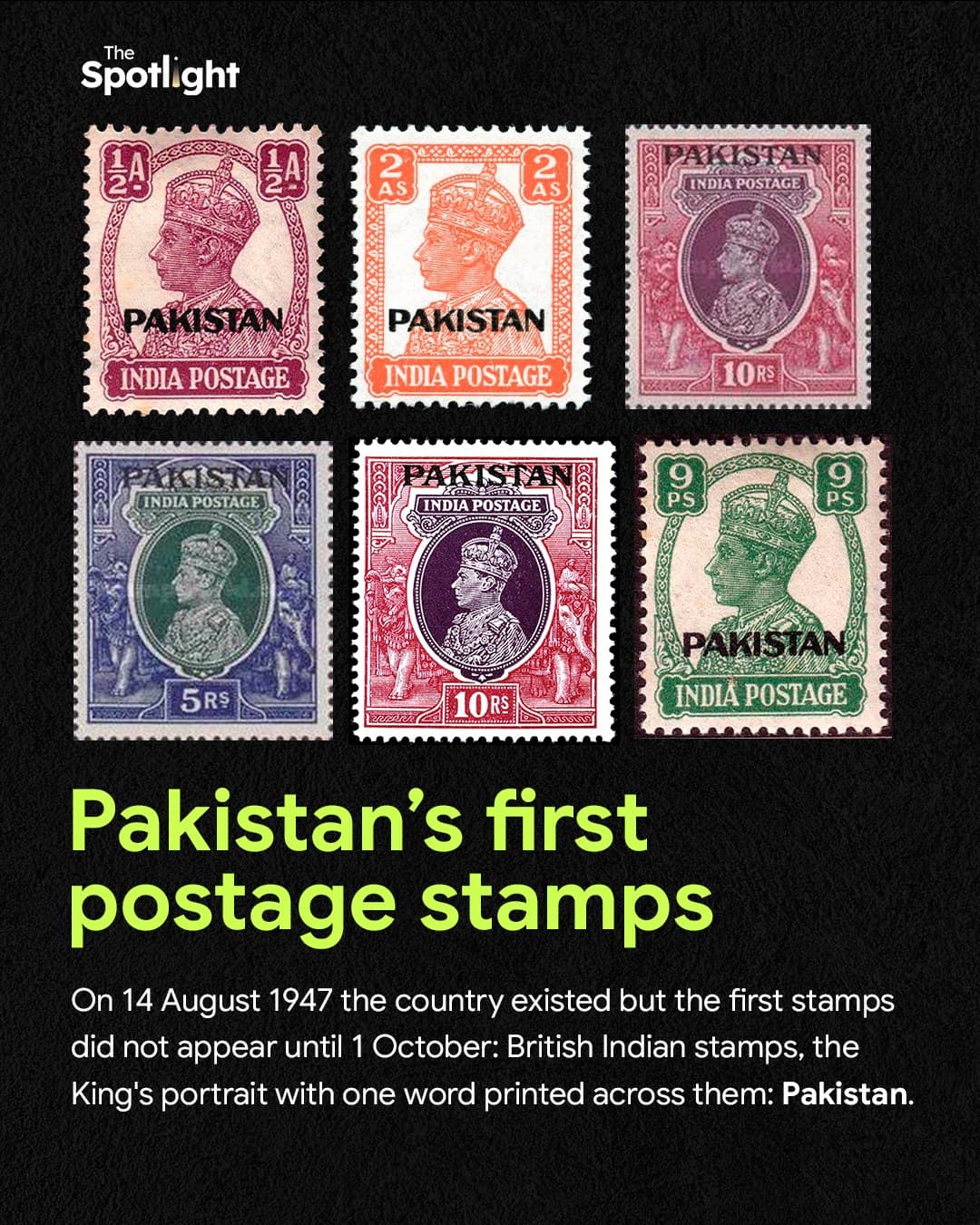
A state can be declared faster than it can be printed. On 14 August 1947 Pakistan existed as a fact of law and a fact of daily life — but the machinery that a state uses to speak to itself, the postal system, still carried another country's name.
The first stamps issued for Pakistan did not appear until 1 October 1947. For the weeks in between, the post office worked with what it had: existing British Indian stamps, the King's portrait untouched, and one word printed across them.
One word, printed across a face
The overprint is the whole design decision. Nothing about the underlying stamp changed — the same denominations, the same engraved portrait, the same colours that had been in circulation for years. A single line of type did the constitutional work.
The overprint is not a compromise. It is a record of the exact moment a country's paperwork caught up with its existence.
Collectors read these issues closely because the typography varies: spacing, weight and placement shift between printings, and those differences are the evidence of how quickly the work was done and in how many places.
Why a small rectangle matters
A stamp is one of the few objects a state hands to every citizen. It travels, it is handled, it is thrown away. That makes it a fair test of how a new country presents itself when there is no time to design anything.
This piece is a short introduction. A fuller account, with item-level references for each printing, is in preparation.
Stay up to date with our monthly drops
Sign up for our Khabarnama newsletterKeep reading
Story
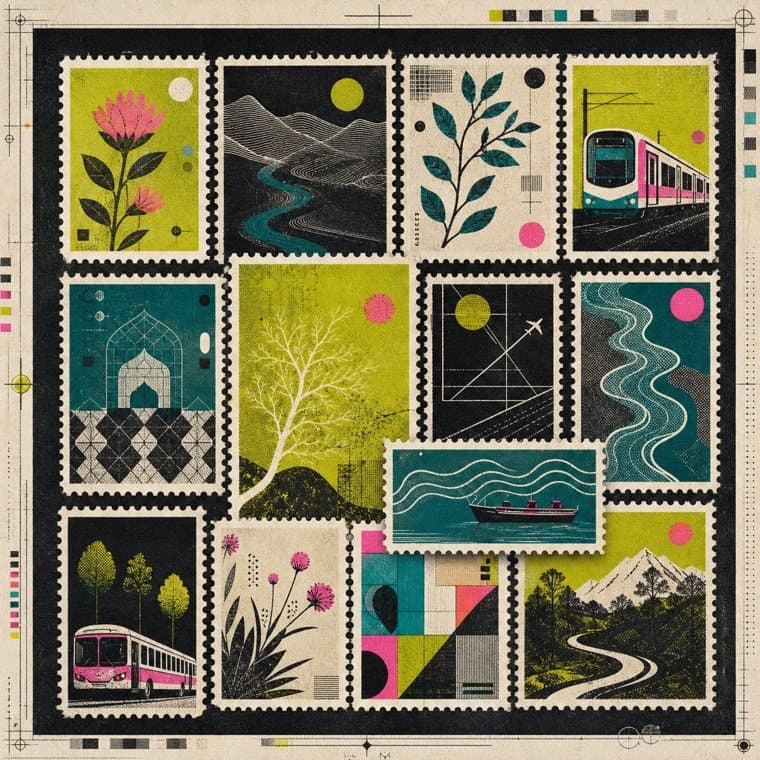
A stamp sheet for now
A tiny national canvas for public memory, ornament and wit — and an argument about what deserves the smallest public stage.
Story
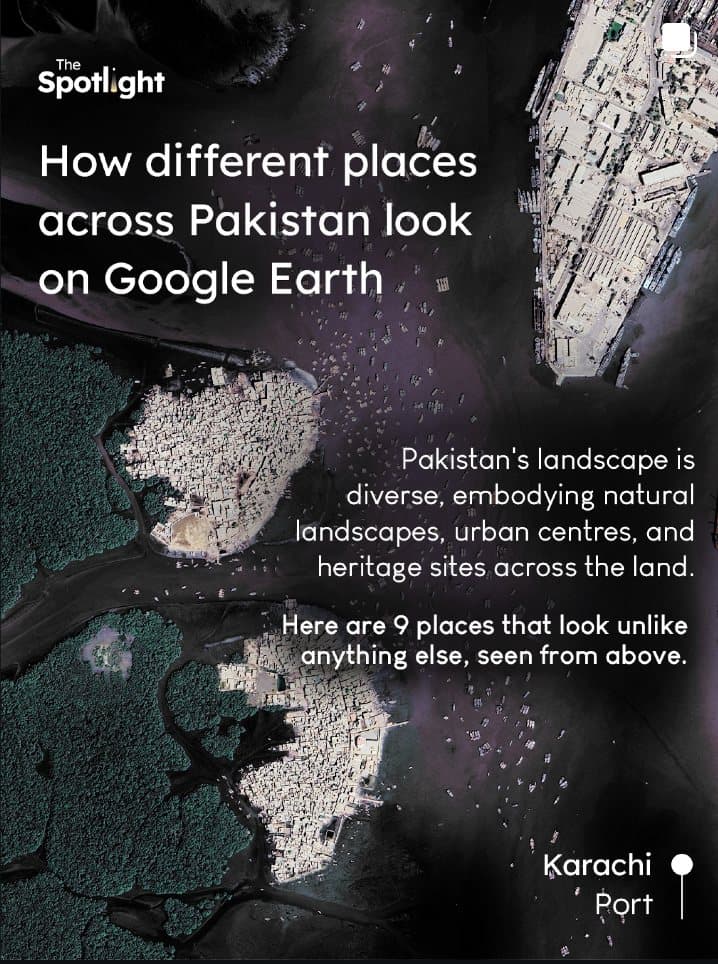
How different places across Pakistan look from above
Nine places that look unlike anything else when the view moves straight up.
Story
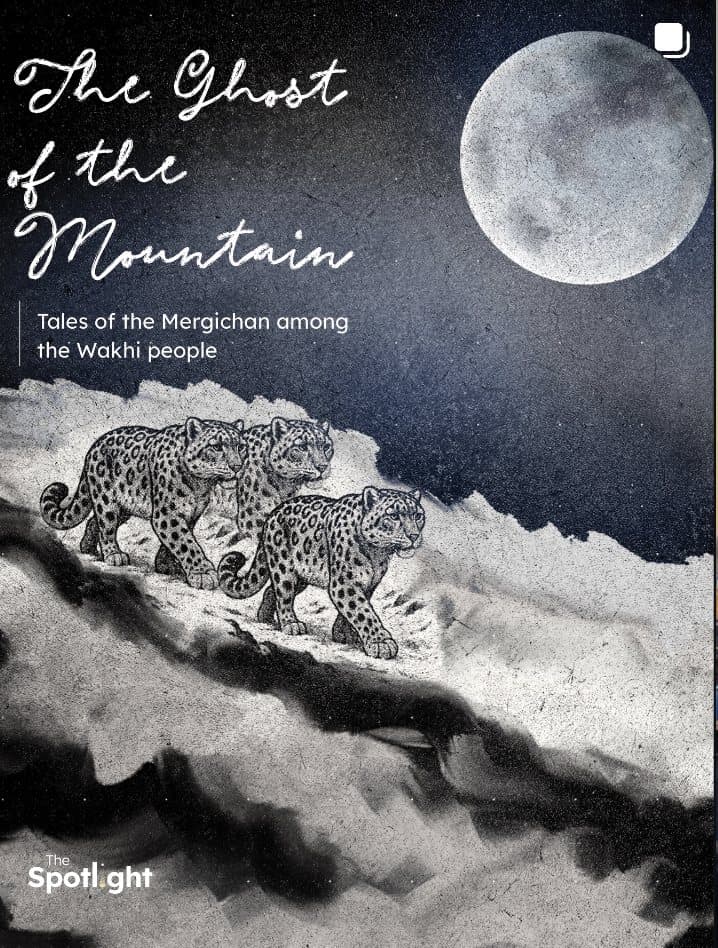
The Ghost of the Mountain
Tales of the Mergichan among the Wakhi people: snow, moonlight and an animal you almost see.
Story
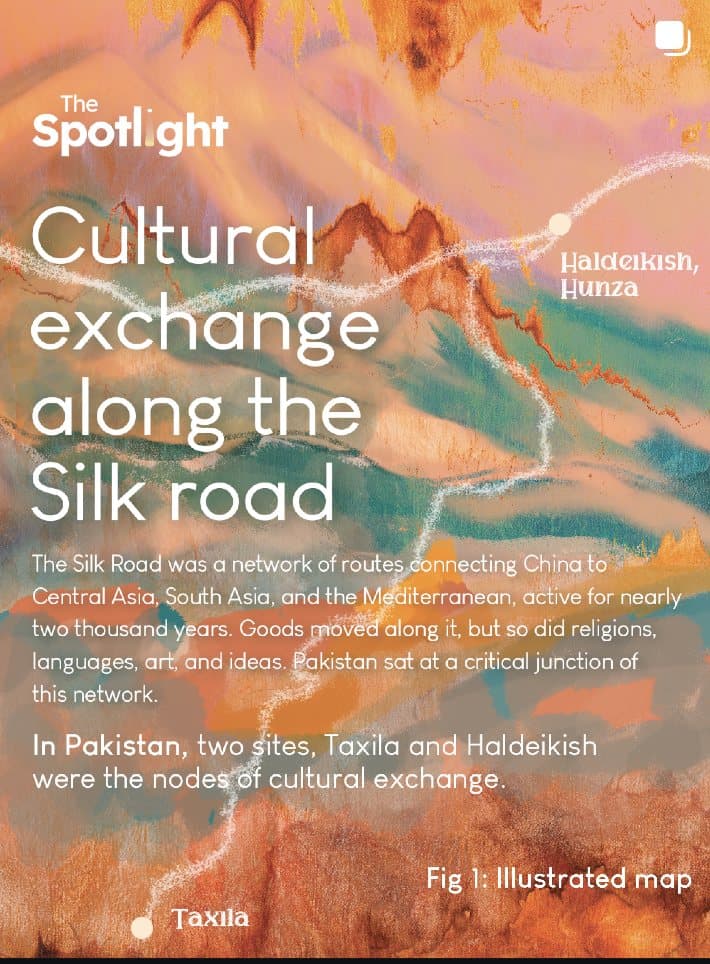
Cultural exchange along the Silk Road
Taxila and Haldeikish, and the routes that moved language, art and ideas as readily as goods.